 +91 95505 74871


Ear fullness is an uncomfortable sensation where the ear feels blocked, pressured, or “clogged.” It can affect one or both ears and may be accompanied by muffled hearing, popping sounds, or discomfort when swallowing or yawning. While it’s common and often temporary, persistent symptoms may indicate underlying issues such as Eustachian tube dysfunction, allergies, sinus blockage, or other ENT-related problems that require medical attention.
This blog explains the causes of ear fullness, related symptoms, and the best relief options available.
What Is Ear Fullness?
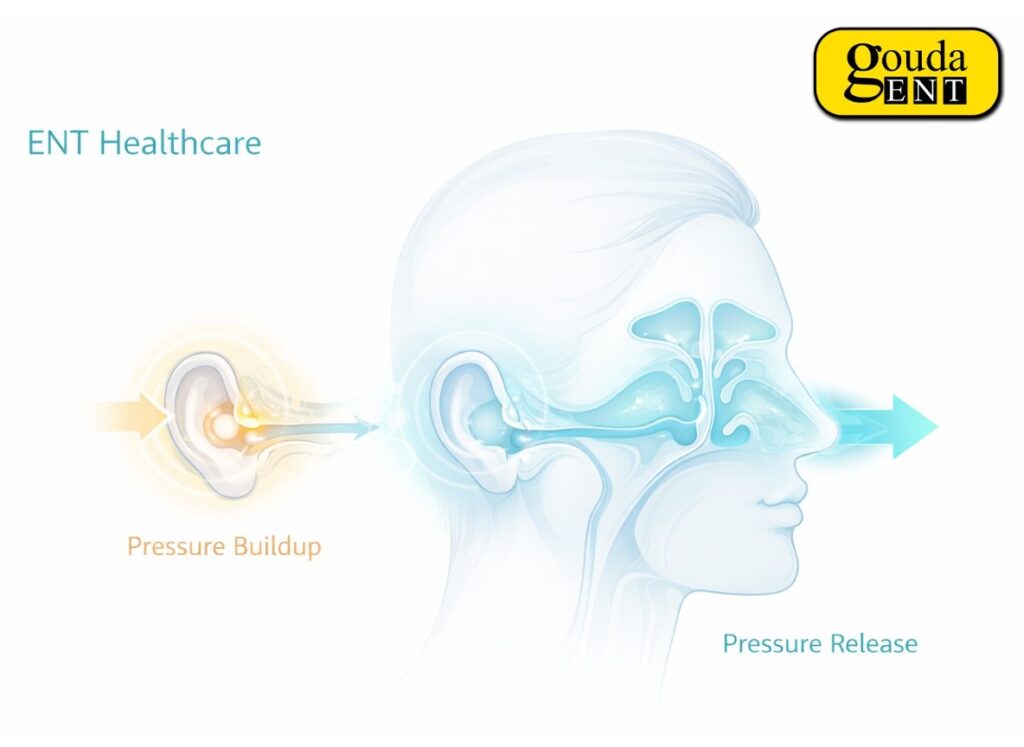
It is a sensation of pressure, blockage, or heaviness within the ear. It occurs when the ear cannot equalize pressure between the middle ear and external environment. This imbalance often leads to muffled hearing, discomfort, and a feeling similar to altitude changes during flights.
Symptoms Associated With Ear Fullness
The symptoms that accompany ear fullness may include:
- Muffled or reduced hearing
- Pressure or heaviness inside the ear
- Ear popping sounds
- Tinnitus (ringing or buzzing)
- Mild ear pain or discomfort
- Dizziness or imbalance
- Difficulty swallowing or yawning due to pressure
These symptoms often point to underlying issues such as Eustachian tube dysfunction, sinus congestion, or fluid buildup in the middle ear
Causes of Ear Fullness
Several conditions can lead to ear fullness. Understanding the cause is key to choosing the right treatment.
1. Eustachian Tube Dysfunction (ETD)
The Eustachian tube connects the middle ear to the back of the throat and helps regulate ear pressure. When this tube becomes blocked due to swelling, infections, or mucus buildup, it leads to ear fullness, popping, and muffled hearing.
Common triggers include:
- Cold or flu
- Allergies
- Sinus infections
- Air pressure changes (flights, elevators)
2. Allergies
Seasonal or environmental allergies cause inflammation and mucus buildup in the nose and throat, which can block the Eustachian tubes. This leads to persistent ear fullness, itching, or a plugged sensation.
Common allergy triggers:
- Pollen
- Dust mites
- Pet dander
- Mold exposure
3. Sinus Blockage or Sinusitis
Sinus blockage from infections or chronic sinusitis causes nasal congestion, facial pressure, and swelling around the Eustachian tubes. This makes it difficult for the ear to equalize pressure, resulting in ear pressure.
Symptoms may include:
- Headache
- Facial pain
- Postnasal drip
- Thick nasal mucus
4. Fluid in the Middle Ear
Also known as otitis media with effusion, fluid buildup behind the eardrum can cause ear pressure, hearing changes, and mild pain.
This often follows:
- Colds
- Respiratory infections
- Barotrauma
- Allergic flare-ups
5. Earwax Buildup
Excessive or impacted earwax can block the ear canal, slowing sound transmission and creating a sensation of ear pressure or blockage.
6. TMJ (Jaw Joint) Disorders
The jaw joint is located close to the ear. TMJ disorders can cause ear fullness, ear pain, and popping sounds when opening or closing the mouth.
7. Altitude or Pressure Changes
Changes in altitude (airplane takeoff, mountain travel) can temporarily disrupt pressure balance in the ears, causing ear fullness.
How to Relieve Ear Fullness
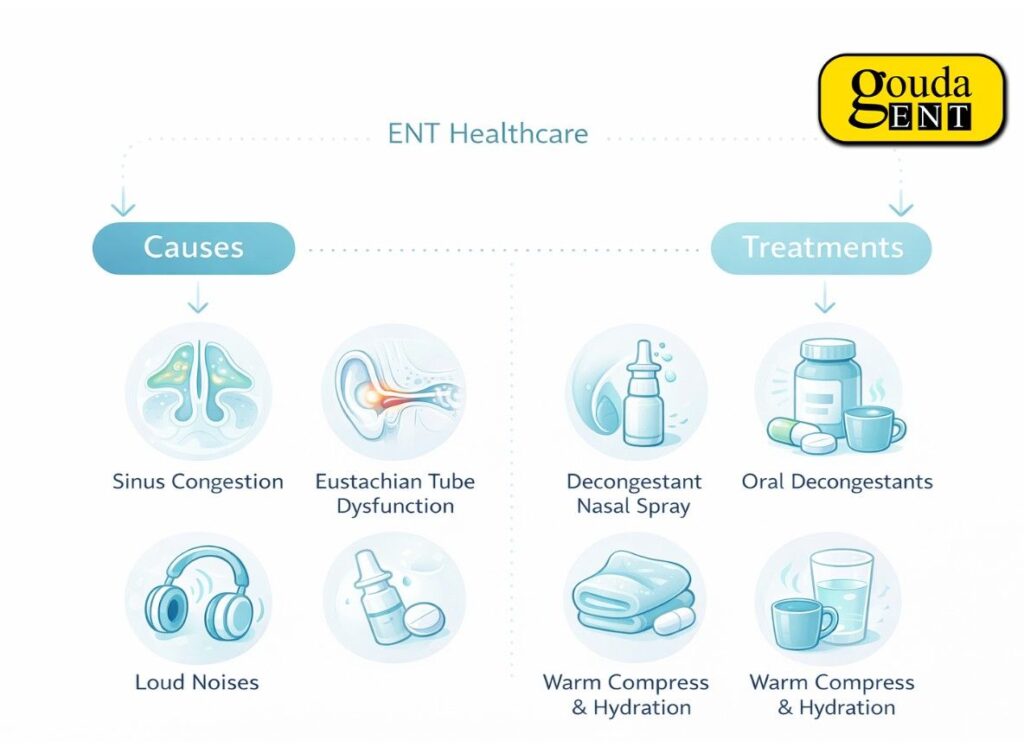
Relief from ear fullness depends on the cause. Common solutions include:
1. Treat Eustachian Tube Dysfunction
- Swallowing, yawning, or chewing gum to open the tubes
- Valsalva maneuver to equalize ear pressure
- Nasal sprays (saline or steroid sprays) to reduce inflammation
- Steam inhalation to loosen mucus
2. Allergy Management
- Antihistamines
- Allergy nasal sprays
- Avoiding allergens
- Using air purifiers to reduce triggers
Controlling allergies reduces swelling and eases ear fullness.
3. Sinus Infection Treatment
- Decongestants
- Steam inhalation
- Saline nasal rinses
- Antibiotics (if bacterial sinusitis is diagnosed)
When the sinuses clear, the ear pressure usually resolves.
4. Earwax Removal
NEVER insert cotton swabs. Visit an ENT specialist for:
- Ear irrigation
- Suction cleaning
- Manual removal
5. TMJ Treatment
- Warm compresses
- Jaw exercises
- Soft diet
- Mouthguards (if teeth grinding is present)
6. When to Seek Medical Help
You should visit an ENT specialist if ear fullness lasts more than 48–72 hours, or if it is accompanied by:
- Severe ear pain
- Hearing loss
- Dizziness or vertigo
- Ear discharge
- Persistent allergies or sinus issues
A Note from Gouda ENT Hospital
If you’re experiencing ear pressure, it’s important to understand the underlying cause. At Gouda ENT Hospital, our ENT specialists provide accurate diagnosis and personalized treatment for Eustachian tube dysfunction, allergies, sinusitis, ear infections, and earwax blockages. Early care ensures faster relief and prevents long-term complications.
Care at Gouda ENT Hospital
Our hospital offers advanced ENT care, including:
- Eustachian tube evaluation
- Nasal endoscopy
- Hearing tests
- Allergy testing
- Sinus treatment
- Ear infection management
- Safe earwax removal
With expert ENT surgeons and modern diagnostic tools, we ensure the best outcomes for patients experiencing ear pressure and related problems.
Frequently Asked Questions (FAQs)
Why do my ears feel full?
Common causes of ear fullness include Eustachian tube dysfunction, allergies, sinus blockage, or earwax buildup.
Can ear fullness be serious?
Usually, it is not serious, but persistent ear fullness may indicate infection, inner ear issues, or sinus disease and requires medical evaluation.
How long does ear fullness last?
It may last from a few hours to several days depending on the cause. Sinus or allergy-related fullness may persist longer without treatment.
How do I relieve ear fullness quickly?
Swallowing, yawning, nasal sprays, steam inhalation, and treating allergies or congestion can provide relief. For persistent fullness, visit an ENT specialist.
Conclusion
ear pressure can occur for several reasons—ranging from minor pressure imbalance to infections, allergies, or sinus disease. With timely evaluation and proper treatment, most cases resolve quickly and safely. If you’re struggling with persistent ear pressure, visit Gouda ENT Hospital for expert diagnosis and personalized care tailored to your condition.

One thought on “Ear Fullness Causes & Relief”